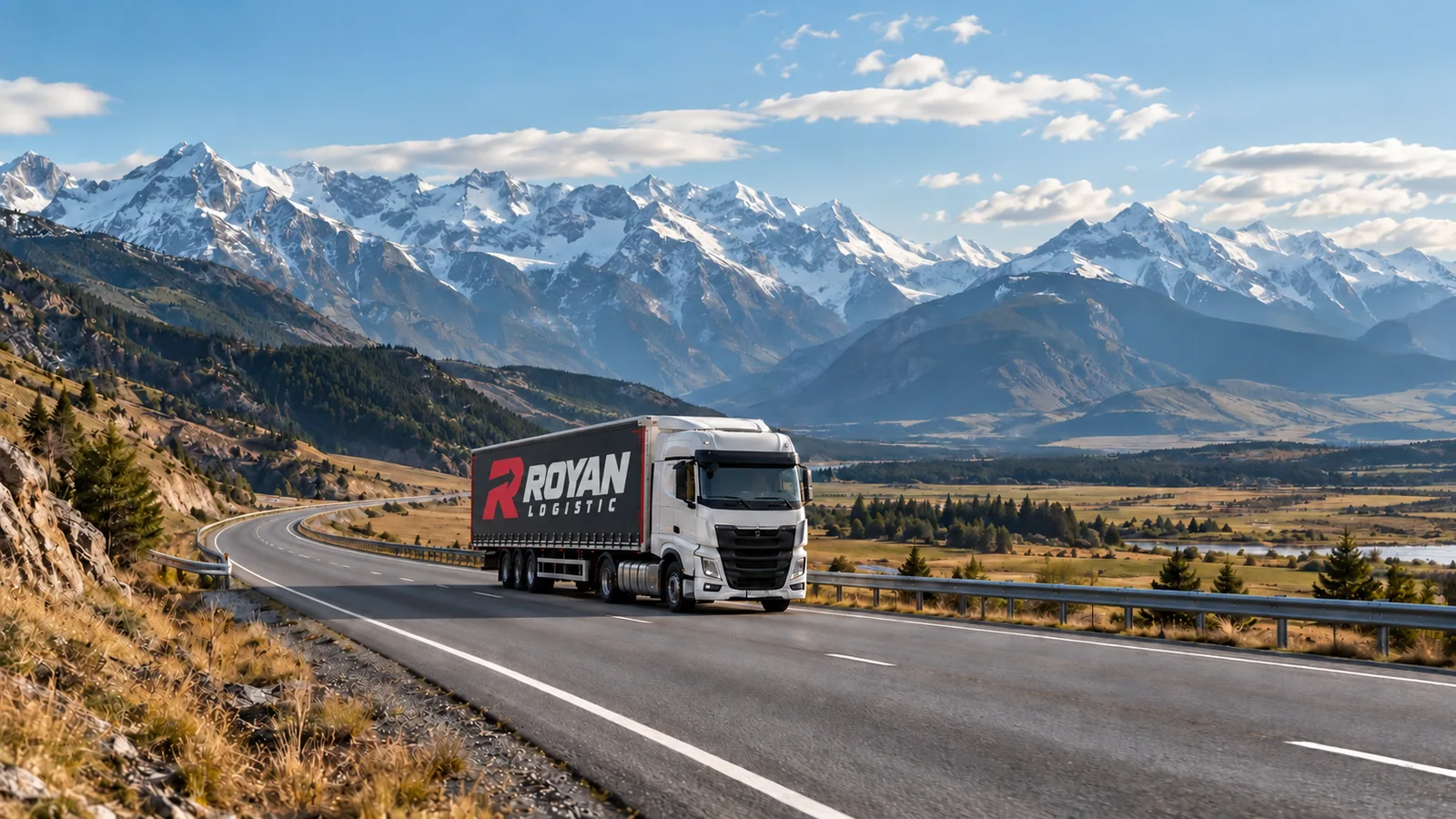
Most of Tajikistan is covered by the Pamir and Alay mountains, and the main road linking the north and south crosses passes above 3,000 metres and long tunnels. Iran and Tajikistan share no border: road cargo transits Turkmenistan and Uzbekistan. Two questions therefore shape every plan: is the cargo going to Dushanbe or to Khujand in the north, and through which Uzbek gate will it enter? Tajik is a variety of Persian, which makes communication with consignees easier; the operation itself is planned around transit permits, border gates and season.
Delivery points in Tajikistan
- Dushanbe: the capital and main distribution centre, reached from Uzbekistan's Surxondaryo region (Termez–Denov) through the Sariosiyo–Tursunzoda gate.
- Khujand: centre of Sughd region in the Fergana Valley, close to Tashkent, reached via the Oybek–Fotehobod gate.
- Bokhtar, Kulob and the south: planned via Dushanbe or together with Dushanbe loads.
The Dushanbe–Khujand road crosses the Shahristan and Anzob tunnels and high passes; choosing the right gate for the destination avoids adding this mountain leg. Typical Iranian cargo includes cement, ceramic tiles and stone, polymers and petrochemicals, steel, fresh and dried fruit, packaged food and detergents.
Customs position
Unlike Kyrgyzstan and Kazakhstan, Tajikistan is not a member of the Eurasian Economic Union and applies its own customs and import regime. Cargo transits Turkmenistan and Uzbekistan under transit procedures (with a TIR carnet where applicable) and is cleared separately in Tajikistan, usually by the consignee's broker. We prepare the Iranian export declaration with our customs clearance service. Requirements are confirmed for each shipment.
Iran–Tajikistan routes and approximate transit times
Times are approximate for cargo leaving Tehran (a day or two shorter from Mashhad) and depend on permits, border queues, wagon schedules and season.
| Route | Approx. transit from Tehran | Strength | Watch point |
|---|---|---|---|
| Dushanbe (road): Mashhad → Sarakhs → Mary → Turkmenabat → Farap–Alat → Bukhara → Karshi → Termez–Denov → Sariosiyo–Tursunzoda | 8–12 days | Shortest entry to Dushanbe from the south; no high passes | Two transit countries; Turkmen permit and escort rules |
| Khujand (road): Mashhad → Sarakhs → Turkmenabat → Farap–Alat → Bukhara → Samarkand → Tashkent region → Oybek–Fotehobod | 8–12 days | Direct access to Sughd and the Fergana Valley | High passes if continuing to Dushanbe |
| Rail: Mashhad → Sarakhs (gauge change) → Turkmenistan → Uzbekistan → Tajik stations | 15–25 days | Lower cost per tonne for bulky and heavy cargo | Wagon allocation, transshipment and last-mile trucking |
| Combined: rail to a terminal in Uzbekistan + truck | Depends on terminal and transshipment plan | Flexibility for container-friendly cargo | Terminal handling and waiting time |
For Khujand, the Tashkent region is an important consolidation point, so the notes on our Uzbekistan freight page also apply. Rail wagons from Iran change from 1435 mm to 1520 mm gauge at Sarakhs or the cargo is transshipped; see rail freight.
Transit through Turkmenistan and Uzbekistan
Turkmenistan requires a transit permit, driver visa and road charges for foreign trucks, and depending on the period trucks may have to follow the Sarakhs–Farap route in an escorted convoy; see Turkmenistan freight. Uzbekistan applies transit procedures from Farap–Alat to the Tajik gate. We confirm both countries' rules for the shipment date when quoting.
Mountains and seasons
In winter, snow, avalanche risk and temporary closures affect the Anzob and Shahristan passes, so we choose the gate that enters the destination directly and add buffer time. In summer, the Karakum desert leg in Turkmenistan can exceed 45°C, so heat-sensitive goods move in a reefer. Around Nowruz in late March, border and customs processing slows in Iran and Central Asia, and harvest season brings truck queues at the borders.
Groupage or full truck?
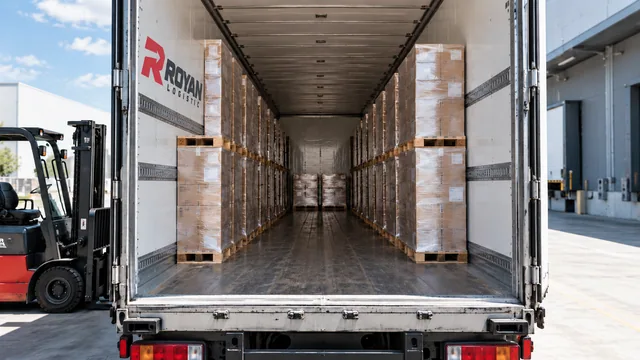
With two transit countries and permits charged per truck, most Tajikistan cargo moves as a full truck load (about 33 euro pallets and 24 tonnes). For a few pallets, we look at shared space on trucks bound for Uzbekistan or Dushanbe.
How we plan a Tajikistan shipment
- Request: via the quote form or e-mail; you receive a tracking code starting with RYN-.
- Route and gate: Sariosiyo or Oybek, road or rail, by destination.
- Permits and documents: Turkmen transit permit, driver visa and a checked document set.
- Loading and export customs: photos, CMR and invoice in one folder; Iranian export declaration completed.
- Transit: Turkmen and Uzbek border crossings updated on the tracking link.
- Import clearance and delivery: coordinated with the consignee's broker.
Documents
- Commercial invoice and packing list (with HS codes)
- Certificate of origin
- CMR consignment note; TIR carnet where applicable
- Iranian export customs declaration
- Turkmen transit permit and driver visa; Uzbek transit documents
- Tajik conformity documents by product group; health and phytosanitary certificates for food
Requirements are confirmed against current regulations, and payment and documentation requirements are reviewed per shipment.
Insurance
The carrier's CMR liability is limited to 8.33 SDR per kilogram, which rarely covers the real value of goods. For full value we recommend cargo insurance.
Preparing the cargo
- Fresh produce: phytosanitary certificates checked in advance; temperature range and waiting times planned.
- Dried fruit, pistachios and packaged food: season-appropriate vehicle, shelf life checked against transit time.
- Cement, tiles and stone: axle loads and transit-country weight rules checked; secure palletising.
- Polymers and petrochemicals: moisture protection for bagged cargo; ADR-compliant vehicles for dangerous goods.
- Machinery and project equipment: special trailers, permits and route surveys for heavy or oversized pieces.
What affects the price
Destination and gate, Turkmen permits and road fees, Uzbek transit costs, road, rail or combined solution, any transshipment, volume, special equipment, season, fuel and exchange rates. We do not publish fixed rates; every quote lists what is included.
Why Royan Logistic
- Tehran-based planning focused on the north-eastern gates and the Turkmenistan–Uzbekistan transit line.
- Road, rail and combined options assessed together.
- Communication in Persian, English, Russian, Turkish and Chinese.
- A tracking link for every shipment and all documents in one folder.
Information for a quote
Loading address in Iran, delivery address in Tajikistan, cargo type and HS code, packing, pallet count, dimensions, total weight, target date and special handling needs. For the regional overview, see Central Asia freight.
Frequently asked questions
How long does freight from Iran to Tajikistan take?
From Tehran, roughly 8–12 days by road to Dushanbe or Khujand, a day or two less from Mashhad. Rail takes about 15–25 days. Permits, border queues and winter conditions can extend these ranges.
Which border gates are used?
Road cargo enters Turkmenistan at Sarakhs and Uzbekistan at Farap–Alat, then Tajikistan at Sariosiyo–Tursunzoda for Dushanbe or Oybek–Fotehobod for Khujand. Gate operations are confirmed for the shipment date.
Which documents are needed?
Commercial invoice, packing list, certificate of origin, CMR and the Iranian export declaration, with a TIR carnet where applicable, plus the Turkmen transit permit, driver visa and product-specific conformity and health certificates.
Can I send a small load to Dushanbe?
Because transit costs are charged per truck, most cargo moves as a full truck. For a few pallets we look at shared space on trucks bound for Uzbekistan or Dushanbe.
Who handles customs in Tajikistan?
Import clearance is usually handled by the consignee through its own broker. We coordinate the Iranian export declaration and transit documents, and responsibilities are agreed according to the Incoterm.
Can you ship to Tajikistan in winter?
Yes. Because the Anzob and Shahristan passes can see snow and temporary closures, we choose the gate that enters the destination directly and add buffer time.