Most delays in cross-border shipping start before the truck or vessel moves: a transport mode that does not suit the cargo, an Incoterm that leaves responsibility unclear, or an invoice that does not match the packing list at the border. Royan Logistic, headquartered in Tehran, Iran, works on those points first and then organises international road, sea, rail and multimodal freight to and from Iran in one plan, from pickup to delivery.
What we do as your freight forwarder
- We listen: cargo type, packaging, number of pieces or pallets, dimensions, weight, target loading date and your buyer's delivery expectation.
- We plan: we compare road, sea and rail options — or a combination — on transit time, cost components and risk, and recommend a route with the reasoning behind it.
- We coordinate: we align documents and timing with your customs broker, supplier and consignee.
- We follow through: loading, border or port crossing, transshipment and delivery are tracked and shared with you through a tracking link.
- We close out: the signed CMR and other documents are collected in the shipment folder and shared with you.
Choosing the transport mode
| Mode | Best suited for | What to watch |
|---|---|---|
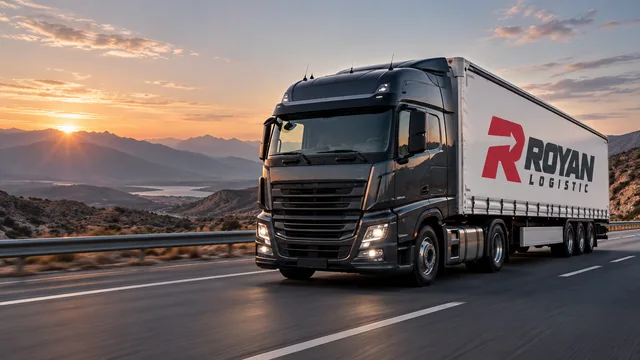
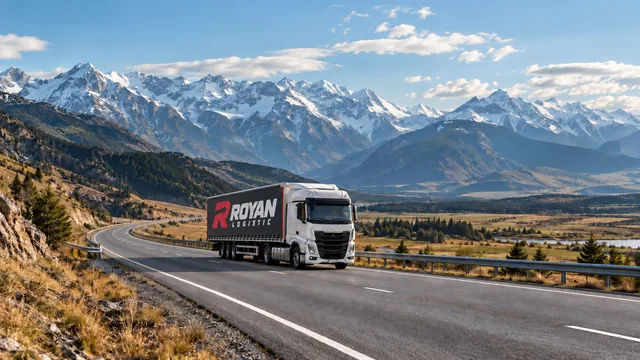
| Road (FTL / LTL) | Door-to-door delivery to Turkey and Europe by TIR truck, Iraq, the Caucasus, Central Asia, Afghanistan and Pakistan; time-sensitive and mid-volume cargo | Border congestion, transit permits, season and road conditions |
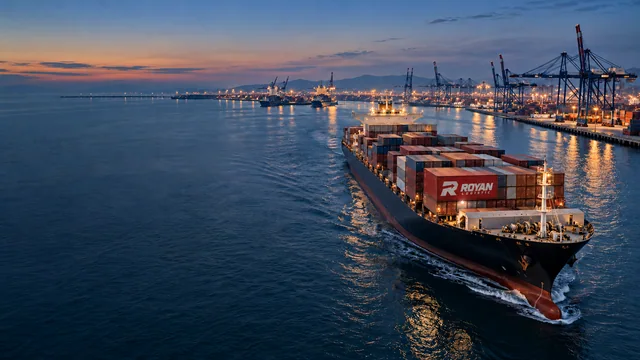
| Sea (FCL / LCL) | Shipments through Bandar Abbas, Chabahar and Bushehr to the UAE, India, China and beyond; heavy and cost-driven cargo | Pre- and on-carriage by road, transshipment, container free time |
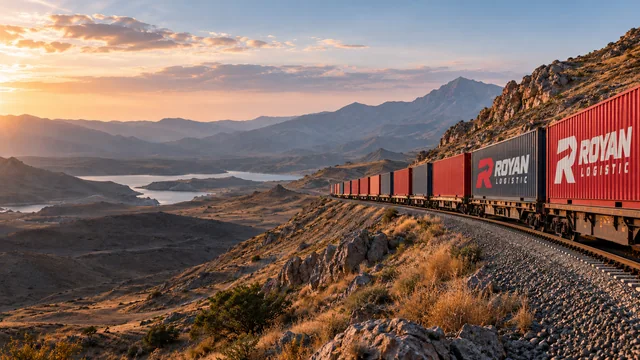
| Rail | China–Kazakhstan–Turkmenistan–Iran, Central Asia and the North–South corridor to Russia; regular long-distance volumes | Terminal access, gauge-change and transshipment points, line capacity |
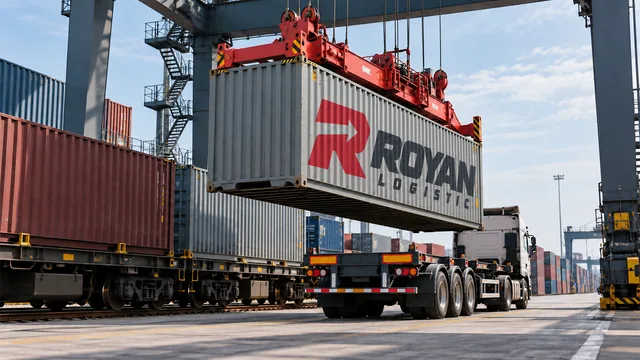
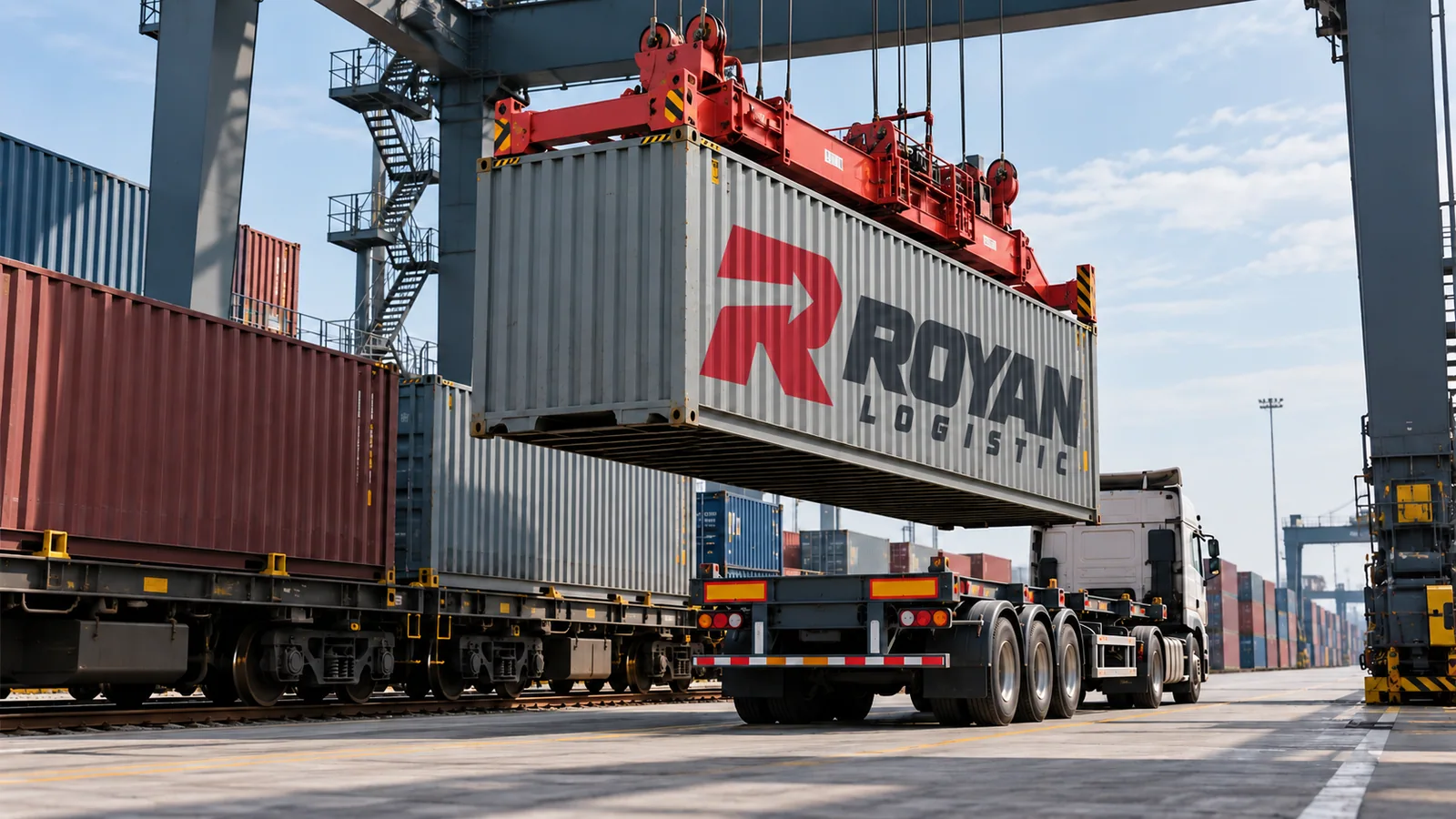
| Intermodal | Sea + road, rail + road or Caspian sea + road, where a single mode falls short on time or cost | Coordination and document continuity at transfer points |
For mode-specific details see our road freight, sea freight, rail freight and intermodal transport pages.
Incoterms: where responsibility changes hands
Before quoting, we ask for the delivery term in your sales contract, because it defines where our plan starts and ends. Incoterms 2020 separates rules for any mode of transport (EXW, FCA, CPT, CIP, DAP, DPU, DDP) from rules for sea and inland waterway only (FAS, FOB, CFR, CIF).
- EXW / FCA: the buyer arranges main carriage; we clarify the seller's share of loading and export formalities.
- CPT / CIP / CFR / CIF: the seller pays main freight, but risk passes to the buyer earlier — insurance cover should be agreed separately.
- DAP / DPU / DDP: delivery takes place in the destination country; under DDP, import clearance and duties fall on the seller, so destination rules are part of the plan from day one.
How a shipment runs, step by step
- Request: send pickup and delivery addresses, cargo details and target date via the web form, email or WhatsApp. A form submission gives you a tracking code.
- Plan and quote: route, mode, an indicative transit range and a clear list of what the quote includes.
- Document pre-check: we review the draft invoice, packing list and certificates before loading.
- Loading: the truck or container is scheduled; loading photos and documents go into the shipment folder.
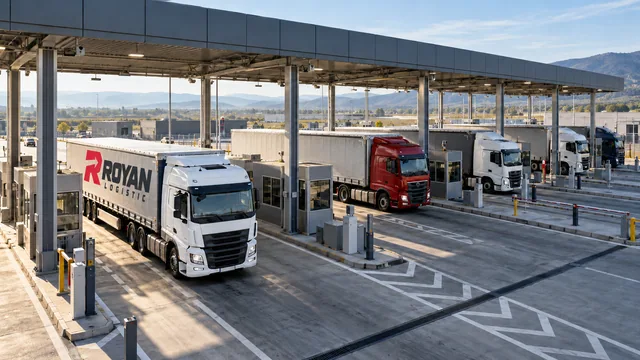
- Customs and border: the export or import declaration is filed by a licensed customs broker; we monitor transit, border and port stages with the broker and carrier.
- Tracking: the shared link shows the stage, current location, border exit, transshipment and delivery dates, plus shared documents such as the CMR and invoice.
- Delivery and close-out: signed documents are shared once destination customs and delivery are complete.
Document checklist
- Commercial invoice and packing list (with packages, weights and dimensions)
- Export or import customs declaration
- Transport document: CMR for road, bill of lading for sea, rail consignment note for rail
- Certificate of origin, depending on the destination country
- Product-specific documents: phytosanitary or health certificates, conformity documents, ADR paperwork for dangerous goods
- TIR carnet or transit declaration where required
Document requirements depend on cargo, route and destination and are confirmed against current regulations. Payment and documentation requirements are reviewed per shipment.
Customs coordination and insurance
Customs declarations are filed by a licensed customs broker. On the transport side we make sure a document set that matches the declaration is ready on time, that the transit procedure is opened and closed correctly, and that any gaps at the border are fixed quickly. Because a carrier's liability under the CMR Convention is limited, we recommend considering separate cargo insurance for valuable goods.
Main corridors from Iran
- Europe via Turkey: TIR trucks leave Iran via Bazargan–Gürbulak, cross Turkey and continue to Bulgaria, Romania, Germany, Italy and other EU countries. See Europe freight and Iran–Turkey freight.
- Central Asia: Turkmenistan, Uzbekistan, Kazakhstan, Kyrgyzstan and Tajikistan by road via Sarakhs and Lotfabad/Bajgiran, or by rail via Incheh Borun. See Central Asia freight.
- Russia and the North–South corridor (INSTC): by road via Azerbaijan, or across the Caspian from Anzali and Amirabad. See Russia freight.
- Caucasus: Azerbaijan, Armenia and Georgia. See Caucasus freight.
- Iraq: the Kurdistan Region, Baghdad and Basra via the western border crossings. See Iraq freight.
- Persian Gulf and UAE: short sea services from Bandar Abbas to Jebel Ali and Dubai.
- India: container services from Bandar Abbas and Chabahar to Nhava Sheva and Mundra.
- China: by sea via the Persian Gulf ports or by rail via Central Asia. See China freight.
Gateways and domestic distribution inside Iran are covered on our Iran logistics page.
Who we work with and what we carry
We work with Iranian exporters, importers and procurement teams. Typical export loads include petrochemicals and polymers, building materials such as cement, tiles and stone, steel, dried fruit, pistachios, saffron, dates, fresh produce and carpets; on the import side, machinery, spare parts and consumer goods. Special handling, temperature control or dangerous goods are discussed at the start of planning, with suitable equipment and documents.
Why work with Royan Logistic
- Planning first: we understand the cargo and the delivery expectation before proposing a route.
- Multimodal view: road, sea and rail are compared side by side.
- Tracking link: stage, location and shared documents in one place.
- One folder per shipment: CMR, invoice, packing list and photos kept together.
- Five languages: Persian, English, Russian, Turkish and Chinese, which makes direct contact with your consignee easier.
What we need for a quote
Pickup and delivery addresses, cargo type, packaging, number of pieces or pallets, dimensions, total weight, target shipping date and any special handling needs. Send them via the form, by email to info@royanlogistic.com or on WhatsApp.
Frequently asked questions
How is the cost of international freight calculated?
It depends on distance and route, transport mode, weight and volume, full or part load, season and border conditions. We do not publish fixed rates; we prepare a quote with clearly listed cost items based on your cargo details.
How long does international shipping from Iran take?
It varies by route and mode. Approximately: Bandar Abbas to Jebel Ali by sea about 1–2 days, Tehran to Istanbul by road about 5–7 days, and Iran to Almaty by rail about 10–14 days. Actual times depend on border and port congestion and the season, so we give an indicative range when planning.
Do you handle customs clearance?
Customs declarations are filed by a licensed customs broker. We coordinate the transport side: a document set that matches the declaration, ready on time, and follow-up of transit, border and port stages with the broker and carrier.
Can you ship small quantities internationally?
Yes. Part loads (LTL) by road and LCL by sea are options for smaller volumes. Availability depends on the destination and consolidation opportunities at the time of shipment.
How do I track my shipment?
You receive a tracking code when you submit the request form. Once the shipment is opened, we share a tracking link showing the stage, current location, delivery dates and shared documents such as the CMR and invoice.
Which Incoterms do you work with?
We plan according to the term in your sales contract — EXW, FCA and DAP are common for road, while FOB or CIF are used for sea. What matters is that the point where responsibility transfers matches the transport plan.