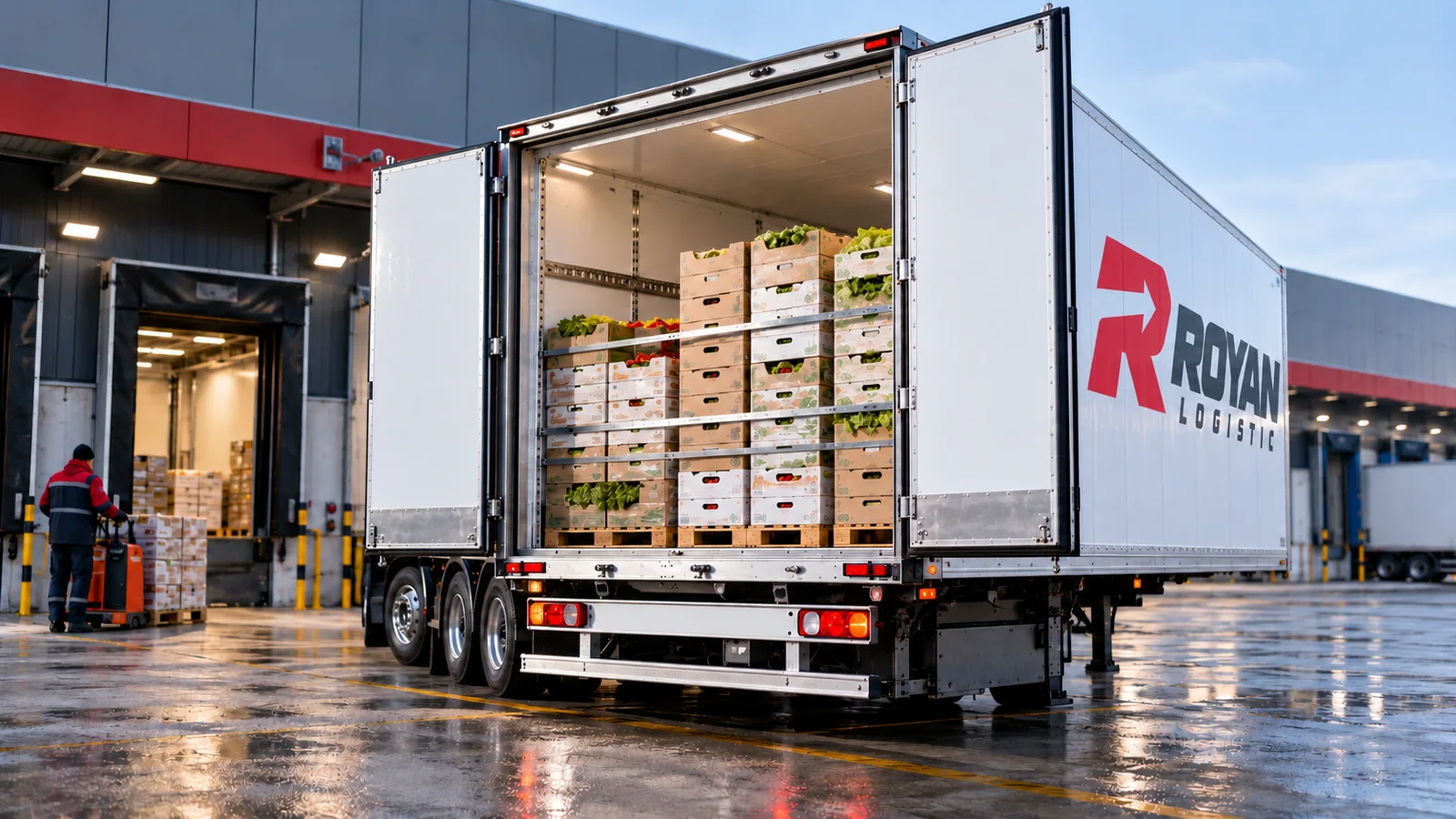
Iran is a major regional supplier of temperature-sensitive products such as fresh fruit and vegetables, dairy, dates and seafood. Quality depends not only on the time on the road, but also on how the product is cooled after harvest or production, how it is loaded and how the temperature is held along the route. Royan Logistic plans refrigerated shipments with the whole chain in mind.
Main directions
| Direction | Typical route | Common products |
|---|---|---|
| Russia | By road via Astara and Azerbaijan, or via the Caspian ports | Fruit, vegetables, dates |
| Iraq | Haji Omaran, Bashmaq, Mehran, Shalamcheh crossings | Dairy, fresh produce, processed food |
| Central Asia | Via Sarakhs or Lotfabad to Turkmenistan, Uzbekistan, Kazakhstan | Fresh produce, dairy |
| Gulf countries | Reefer containers by sea from Bandar Abbas | Fresh produce, dairy, meat and seafood |
| Turkey and Europe | By road via Bazargan | Fruit, nuts, saffron, dates |
Temperature planning
| Product group | Typical range |
|---|---|
| Frozen food, frozen seafood | −18 °C or below |
| Fresh meat, dairy | 0 / +4 °C |
| Pharmaceuticals and some foods | +2 / +8 °C or +15 / +25 °C |
| Fruit and vegetables | Depends on the product, usually 0 / +12 °C |
These ranges are indicative; the correct set point depends on the product, its ripeness and the buyer's requirements. Carrying products that need different temperatures in the same truck is generally not recommended.
Pre-cooling, loading and temperature records
- The product should be at the target temperature before loading; a reefer unit is designed to hold temperature, not to cool the cargo down.
- The trailer is pre-cooled before loading and the set point is written on the loading document.
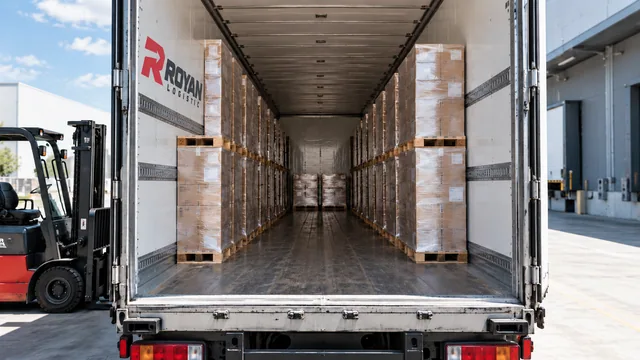
- Pallets are stowed to allow air circulation.
- Temperature is recorded throughout the journey (data logger or unit record) and shared on request.
Waiting and delay risks
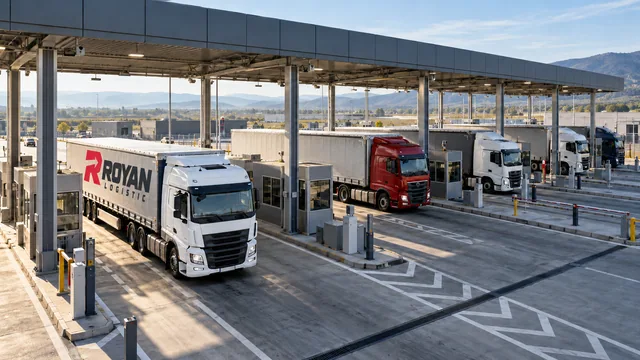
Queues at border crossings, customs inspections and weekend closures add risk for perishable cargo. We plan the crossing, loading time and the reefer unit's fuel with these risks in mind.
Document checklist
- Commercial invoice, packing list and CMR
- Phytosanitary certificate for plant products, veterinary health certificate for animal products
- Certificate of origin
- ATP-compliant equipment and product-specific analysis reports where the destination requires them
Payment and documentation requirements are reviewed for each shipment, and the exact set is confirmed for the product and destination.
Full truck or groupage?
For full loads, a dedicated refrigerated truck is the safest option. Smaller lots can sometimes travel as groupage with cargo that needs the same temperature range; see groupage. By sea, reefer containers are used.
For a quote, send the product, temperature range, number of pallets and loading and delivery addresses through the form on our contact page.
Frequently asked questions
What do you need to quote a refrigerated shipment?
The product, required temperature range, number of pallets and weight, packaging, loading and delivery addresses and target date. We also ask whether the product is pre-cooled and what the buyer's temperature requirement is.
Which route does refrigerated cargo from Iran to Russia take?
Usually by road via Astara and Azerbaijan, or by sea from the Caspian ports. We choose the route based on the product, season and border conditions.
How do you monitor temperature on the way?
The set point is written on the loading document and the temperature is recorded throughout the journey by the reefer unit or a data logger. We share the records on request.
Can different products travel in the same refrigerated truck?
It can be possible for products that need the same temperature range and do not affect each other. We do not recommend mixing products with different temperatures or ethylene sensitivity.
How do you ship perishables to the Gulf countries?
Usually in reefer containers by sea from Bandar Abbas. Refrigerated haulage to the port and the container's set point are part of the plan.
Which documents are needed?
Usually a commercial invoice, packing list, CMR, certificate of origin and, depending on the product, a phytosanitary or veterinary certificate. The exact set is confirmed for the destination.