Kazakhstan is the largest country in Central Asia and shares no land border with Iran. Every shipment from Iran reaches it either overland through Turkmenistan (usually also Uzbekistan), by rail, or across the Caspian Sea. A truck bound for Almaty and a load bound for Aktau rarely use the same corridor. At Royan Logistic we make three decisions with you before the cargo moves: which corridor to use, whether the load goes as a full truck or groupage, and whether the document set is complete before the first border.
Main delivery points in Kazakhstan
- Almaty: the trade and distribution hub of the south; the main destination of the road route via Turkmenistan and Uzbekistan and of rail services from Iran.
- Shymkent: close to the Uzbek border; the first major stop in Kazakhstan on the road route via Tashkent.
- Astana and Karaganda: in the north; a long road leg from Iran, so rail is often the better option.
- Aktau: the Caspian port served by vessels from Amirabad and Anzali; the first stop for western Kazakhstan.
- Atyrau: an energy-sector city on the northern Caspian, a frequent destination for project equipment and spare parts.
Typical Iranian exports to Kazakhstan include dried fruit and pistachios, fresh fruit and vegetables, dairy products, building materials and ceramic tiles, polymers and petrochemicals, and steel products. In the other direction, cargo such as grain and oilseeds moves from Kazakhstan to Iran, and return loads are planned on the same corridors.
Routes between Iran and Kazakhstan
Transit times below are approximate, counted from the loading point in Iran, and depend on customs, borders, vessel schedules and weather.
| Route | Approx. transit (from Iran) | Best for | Watch out for |
|---|---|---|---|
| Road: Sarakhs → Turkmenistan (Mary, Turkmenabat) → Farap–Alat → Uzbekistan (Bukhara, Samarkand, Tashkent) → Zhibek Zholy → Shymkent / Almaty | Shymkent 7-10 days, Almaty 9-12 days | Shymkent and Almaty; door to door without transshipment | Turkmen and Uzbek transit permits, driver visas, border queues |
| Road: Lotfabad or Bajgiran → Ashgabat → Turkmenistan → Uzbekistan → Kazakhstan | Similar to the Sarakhs route | Alternative to Sarakhs depending on loading point and border congestion | Crossing hours; mountain road conditions in winter |
| Rail: via Incheh Borun (Gorgan–Etrek–Bereket line) or Sarakhs → Turkmenistan → Kazakhstan | Almaty 10-14 days | Bulky cargo suited to wagons or containers: steel, polymers, building materials, grain | Gauge change at the border; last mile by road from the terminal |
| Caspian sea: Amirabad / Anzali → Aktau | Aktau 7-12 days (depends on sailings) | Aktau, Atyrau and the west; bulk and general cargo | Sailing frequency, port waiting time, autumn and winter winds |
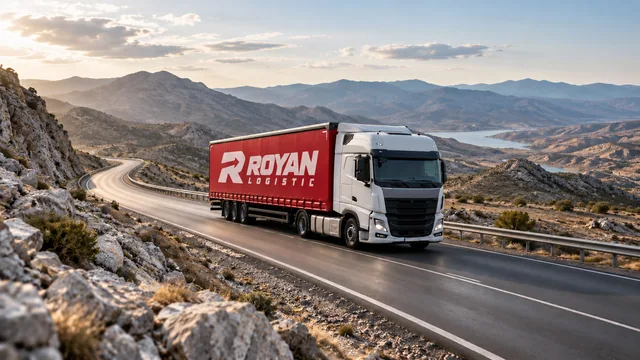
On the road route, trucks usually head from the Mashhad region to the Sarakhs crossing, cross Turkmenistan via Mary and Turkmenabat, enter Uzbekistan at Farap–Alat and, after Bukhara, Samarkand and Tashkent, reach Kazakhstan at Zhibek Zholy. Shymkent is the first major stop; Almaty is reached via Taraz. The Lotfabad and Bajgiran crossings lead towards Ashgabat and are an alternative to Sarakhs. See our Turkmenistan freight and Uzbekistan freight pages for the transit legs.
The Kazakhstan–Turkmenistan–Iran railway
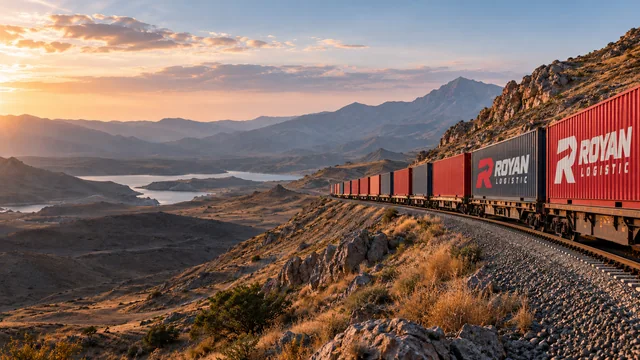
The Kazakhstan–Turkmenistan–Iran railway runs from Uzen in Kazakhstan via Bereket and Etrek in Turkmenistan to the Incheh Borun border station and Gorgan in Iran; the rail link at Sarakhs is a second gateway to the Turkmen network. Iran uses standard gauge while Turkmenistan and Kazakhstan use 1520 mm broad gauge, so cargo is transshipped or bogies are changed at the border. Rail suits bulky cargo with some flexibility on dates, such as steel, polymers, building materials and grain. Because wagon and container availability and congestion at border stations vary, we build a buffer into rail plans and arrange the last mile by road. See our rail freight page.
Caspian Sea: Amirabad and Anzali to Aktau
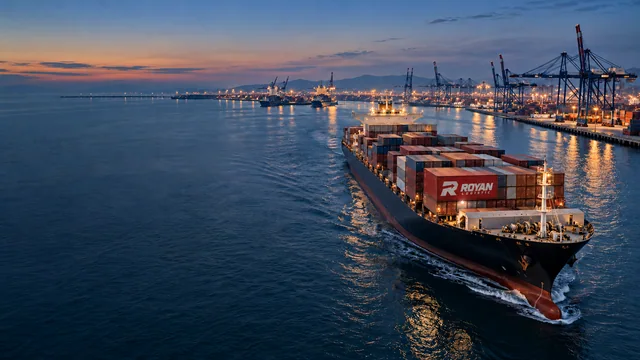
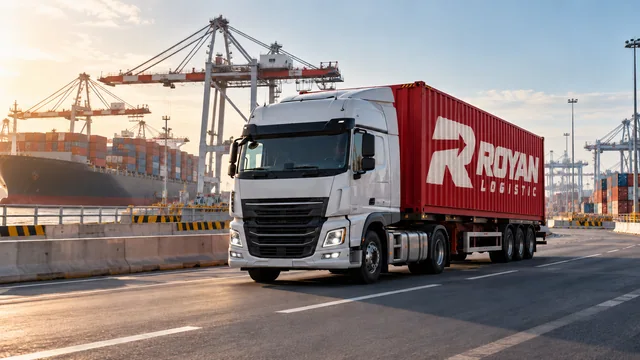
For western Kazakhstan the Caspian is often the shortest way. Vessels from Iran's Amirabad and Anzali ports reach Aktau, from where cargo continues to Atyrau, the Mangystau region or inland by rail. The sea route is used mainly for bulk and general cargo, and for containers on suitable sailings. Sailings do not follow a fixed timetable: vessel availability, port congestion and autumn and winter winds shape the plan. Grain moving from Kazakhstan to Iran can also be planned on this route. See our sea freight page.
China–Kazakhstan–Turkmenistan–Iran: reverse and transit flows
Kazakhstan is also a key link in the rail corridor between China and Iran. Container trains from China enter Kazakhstan at Khorgos (Altynkol on the Kazakh side) or Dostyk–Alashankou and reach Iran through Turkmenistan at Sarakhs or Incheh Borun. We use this corridor for cargo from China to Iran and for shipments with an intermediate delivery in Kazakhstan. Because the gauge also changes between China and Kazakhstan, cargo is handled more than once along the way, so we plan with a buffer. We can correspond with your Chinese supplier directly; see our China freight page.
Full truckload or groupage
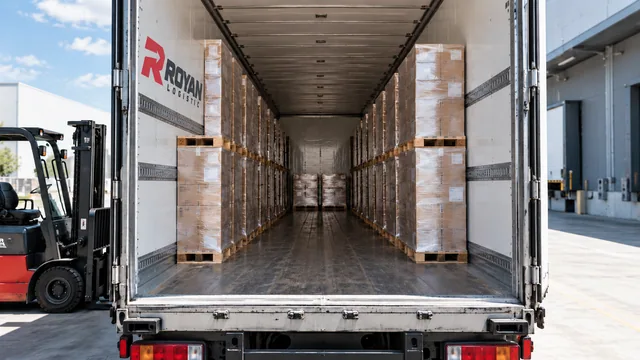
For up to about 33 euro pallets and 24 tonnes in a standard curtainsider, a dedicated truck (FTL) is usually the most efficient option: no transshipment and a more predictable delivery date. For a few pallets we look at groupage towards Almaty and Shymkent; consolidation adds a few days, and pricing is typically based on loading metres, volume or weight. Refrigerated trucks are planned for fresh produce and dairy, special trailers for heavy or out-of-gauge cargo. See full truckload and groupage.
How we plan a Kazakhstan shipment
- We listen: weight, volume, pallet count, packing, temperature sensitivity and the delivery date you need.
- We choose the corridor together (road, rail or Caspian sea) based on destination city, season and border conditions.
- We match the documents so that product description, HS code, package count and weight are identical on the invoice, packing list and CMR.
- We prepare the receiving side: the consignee's customs broker, unloading address and hours are confirmed before departure, in Russian where needed.
- We keep you informed through a tracking link (for example with a code starting RYN-) showing loading, border exit, transshipment, estimated delivery, current location and shared documents such as CMR and invoice.
- We close the shipment together: unloading and delivery records are added to the shipment's document folder.
Documents checklist
Kazakhstan is a member of the Eurasian Economic Union (EAEU) and applies the Union's common customs rules. Iran and the EAEU have a free trade agreement; whether preferential duty applies depends on the product and the certificate of origin and is checked for each shipment. On the Iranian side, the export declaration is filed with the Iran Customs Administration (IRICA). The standard set is:
- Commercial invoice and packing list
- Certificate of origin
- CMR consignment note and TIR Carnet for transit
- Iranian export customs declaration with the correct HS code and description
- EAEU conformity document (EAC certificate or declaration) depending on the product
- Phytosanitary or veterinary certificate for fresh produce, dried fruit and dairy
- Turkmen and Uzbek transit permits, driver visas
- CIM/SMGS consignment note for rail, bill of lading for sea
See our CMR and TIR Carnet guide. Requirements vary by product; payment and documentation requirements are reviewed per shipment. For clearance support, see customs clearance.
Seasonal planning
| Season | Main risk | What we do |
|---|---|---|
| Winter | Steppe temperatures below minus 30 °C, blizzards and road closures; snow and ice on mountain roads | Add buffer time, keep a second corridor ready, recommend heated or refrigerated trucks for freeze-sensitive cargo |
| Spring | Snowmelt and axle-load limits on some roads | Confirm the route in advance for heavy cargo |
| Summer | Temperatures above 40 °C in Turkmenistan and Uzbekistan | Temperature control, pre-cooling and suitable packing for fresh produce, dairy and chemicals |
| Autumn and winter | Caspian winds delaying sailings; port waiting time | Keep flexibility on the sea route and a road or rail option ready |
See our refrigerated transport page and our reefer transport guide.
What affects the price
We do not quote a single rate for Kazakhstan. The price depends on the corridor and distance, FTL or groupage, transit permits and border costs, rail transshipment or sea freight and port charges, trailer type, fuel, season, exchange rates and insurance needs. Our quote states which corridor it assumes and whether permits, transshipment, port costs and possible waiting time are included.
Planning with neighbouring countries
A truck to Shymkent can be combined with Tashkent cargo (see Uzbekistan freight). Bishkek is a natural extension of the Almaty route; our Kyrgyzstan freight page covers the Korday crossing and mountain passes. For the regional overview, see Central Asia freight.
Why Royan Logistic
- Tehran-based planning of Central Asian corridors for cargo leaving and entering Iran.
- Road, rail and Caspian sea options compared for your cargo.
- We work in Persian, English, Russian, Turkish and Chinese.
- One tracking link for milestones, current location and documents.
- Every shipment's documents kept in a single folder.
What we need for a quote
Loading address in Iran and delivery address in Kazakhstan (Almaty, Shymkent, Astana, Aktau or another city), cargo type, packing, number of pieces or pallets, dimensions, total weight, target shipping date and any special handling. After you send the request form you receive a tracking code; you can also write to us by email.
Frequently asked questions
How long does freight from Iran to Kazakhstan take?
Approximately 7-10 days to Shymkent and 9-12 days to Almaty by road via Turkmenistan and Uzbekistan. Rail to Almaty takes roughly 10-14 days, and the Caspian route to Aktau about 7-12 days depending on sailings. Border queues, vessel schedules and weather can extend these times.
Which documents are required for Kazakhstan?
The core set is a commercial invoice, packing list, certificate of origin, CMR, TIR Carnet and the Iranian export declaration. Depending on the product, an EAEU conformity document and phytosanitary or veterinary certificates are added. Requirements are confirmed before each shipment.
Which route is best for Almaty and western Kazakhstan?
For Almaty and Shymkent, the road via Sarakhs, Turkmenistan and Uzbekistan usually leads, with rail for bulky cargo. For Aktau and Atyrau, the Caspian route from Amirabad or Anzali is often the shortest. For northern cities such as Astana, rail is usually the better fit.
Can I ship a few pallets to Kazakhstan?
Yes, groupage services to Almaty and Shymkent can carry smaller consignments. Consolidation adds a few days compared with a dedicated truck. As volume grows, a full truckload usually becomes more economical.
Do you handle the China–Kazakhstan–Iran corridor?
Yes. We use the rail corridor that enters Kazakhstan from China at Khorgos or Dostyk–Alashankou and reaches Iran through Turkmenistan at Sarakhs or Incheh Borun, for imports and transit cargo. We can deal with the Chinese supplier directly about loading and documents.
Can you ship to Kazakhstan in winter?
Yes, with a different plan. Because of steppe blizzards, icy mountain roads and Caspian winds we add buffer time and keep a second corridor ready. Heated or refrigerated trucks are recommended for freeze-sensitive cargo.