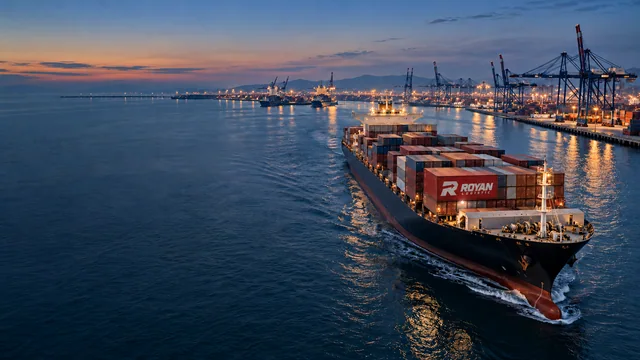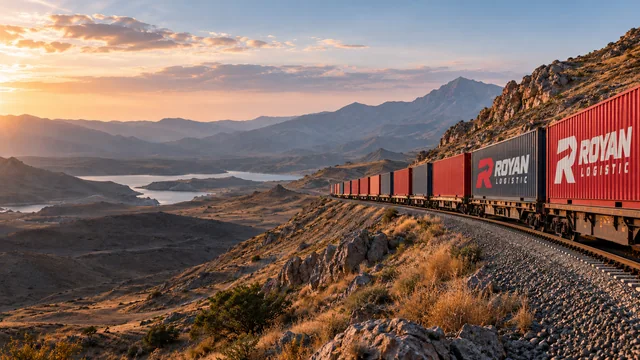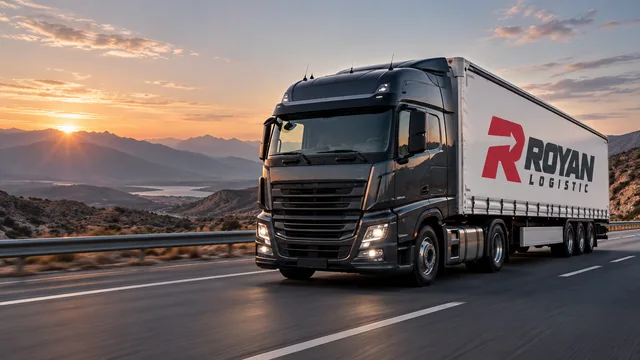
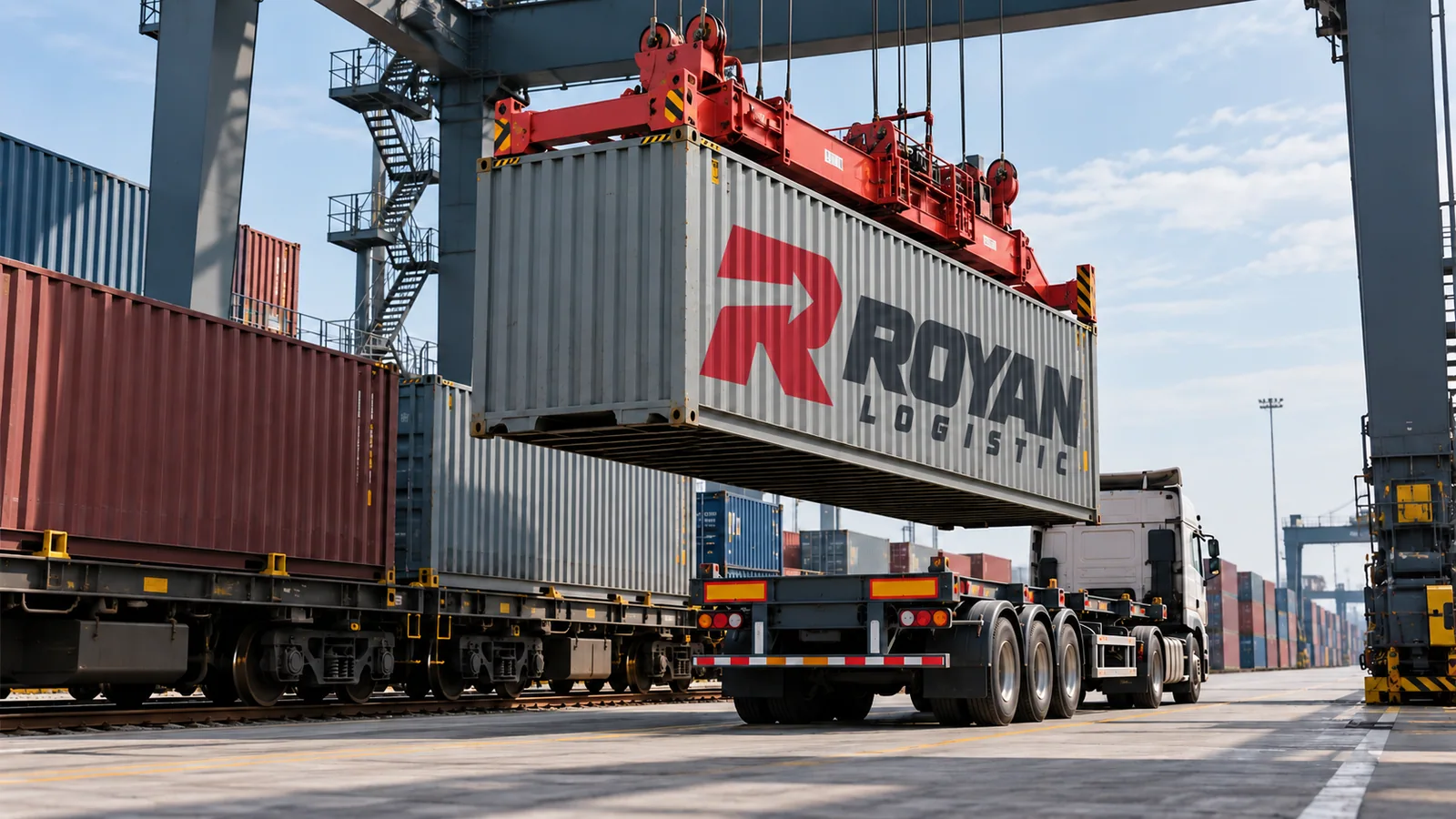
On many routes to and from Iran, the best way to move cargo is not a single mode. A shipment from China to Mashhad may arrive by ship at Bandar Abbas and continue by train; cargo for Russia may travel part of the way by truck and part by ship across the Caspian Sea. Royan Logistic designs these combinations and aligns each leg with the next.
Common combinations
| Combination | Example route |
|---|---|
| Sea + rail | China or India → Bandar Abbas → rail to Tehran, Mashhad or Central Asia |
| Road + Caspian Sea | Iranian cities → Anzali or Amirabad → Astrakhan or Aktau |
| Rail + road (North–South) | Bandar Abbas → rail north → road or rail from Astara to Azerbaijan and Russia |
| Road + Ro-Ro | Iran → Turkey by truck → Ro-Ro from Turkish ports to Italy |
| Road + train ferry | Iran → Razi–Kapıköy → Lake Van ferry → Turkish rail network |
Why intermodal?
- Over long distances, sea and rail usually cost less per kilometre than road.
- The road leg keeps door-to-door delivery possible.
- When a border or port is congested, an alternative route is easier to build.
What we coordinate
Handover times at transfer points, container or wagon availability, the documents for each leg (CMR, bill of lading, rail consignment note) and updates through the tracking link. See our sea, rail and road freight pages for details of each mode, and send your cargo details through our contact page.
Frequently asked questions
When does intermodal transport make sense?
Usually over long distances, for heavy or bulky cargo, and when cost and schedule stability matter more than the shortest transit time. We always compare the intermodal option with direct transport.
Will I deal with several carriers separately?
No. We coordinate the plan as a whole, and you have one contact for the entire route.
Is there a risk of damage at transfer points?
Every handling carries some risk, which is why we build containerisation, suitable packaging and condition records at transfer points into the plan.