Russia is one of Iran's largest trade directions to the north, and cargo between the two countries moves along the International North–South Transport Corridor (INSTC). A shipment can cross the Caspian Sea by ship, travel by road through Azerbaijan or through Armenia and Georgia, or reach Russia by rail via Turkmenistan and Kazakhstan. What makes the journey fast and predictable is the preparation done before loading: the right route, complete documents, a schedule adjusted to the season and early contact with the consignee's customs representative. At Royan Logistic we plan every Iran–Russia shipment in that order.
What we do on the Iran–Russia lane
- Listen first: loading and delivery addresses, cargo type, packaging, pallet count, dimensions, total weight and target delivery date.
- Choose the route with you: road via Azerbaijan, the Armenia–Georgia line, the Caspian sea link or rail, explained with the reasoning behind it.
- Plan the right vehicle and equipment: curtainsider or mega trailer for dry cargo, reefer truck or reefer container for fresh produce and food; on this route we work with full truckload (FTL) only.
- Check documents before loading: product description, carton count and weight must match across invoice, packing list, CMR and certificates.
- Share a tracking link: loading, exit from Iran, entry into Russia, estimated delivery date and shared documents are visible in one place.
Routes between Iran and Russia
There are three main ways to move cargo between Iran and Russia: road through the Caucasus, the Caspian sea link and rail. The right choice depends on the cargo, its weight, urgency, the season and border and port conditions on the shipping date.
| Criteria | Road via Azerbaijan (Astara–Samur) | Caspian sea link | Rail (eastern INSTC branch) |
|---|---|---|---|
| Approximate transit | Tehran–Moscow about 8–12 days | About 2–4 days at sea port to port, plus port handling and Russian road leg | Depends on wagons and transshipment; confirmed per shipment |
| Flexibility | High, departures almost any day | Tied to sailing days and space | Tied to train and wagon planning |
| Watch point | Seasonal queues at Astara and Samur | Winter ice in the Volga delta (Astrakhan, Olya) | Bogie exchange or transshipment at the gauge change |
| Best for | Reefer, full loads, urgent door-to-door cargo | Heavy, bulky and regular cargo; containers and bulk | Heavy and bulky cargo, containers, return loads such as grain |
Transit times are approximate and vary with border congestion, season, loading speed, sailing and train schedules and customs clearance at destination. Border and route conditions on the shipping date are confirmed during planning.
Road via Azerbaijan: Astara, Baku and Samur
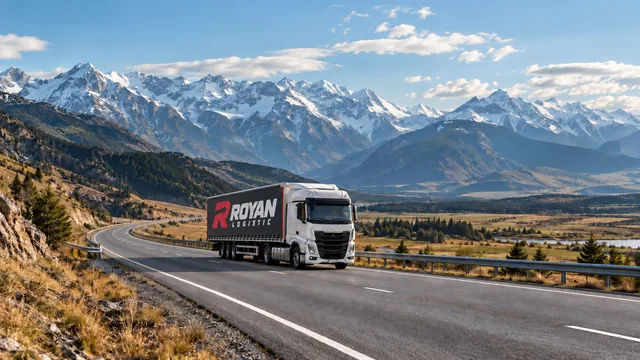
The most common road route leaves Iran at the Astara border crossing in Gilan, runs along the Caspian coast to Baku and north to the Samur (Azerbaijan)–Yarag-Kazmalyar (Russia) crossing into Dagestan, then continues via Makhachkala and Rostov to Moscow or the Volga region. Azerbaijan is crossed in transit under a TIR carnet and CMR. This is the road part of the INSTC western branch and works door to door. Queues can build up at Astara and Samur in busy periods, especially in the fresh produce season, so we build that buffer into the schedule from the start. For other Caucasus crossings, see our Caucasus freight page.
Road via Armenia and Georgia: Norduz–Agarak and Upper Lars
The second road option crosses from Norduz in East Azerbaijan province into Armenia at Agarak (Meghri), continues via Yerevan into Georgia and enters Russia at Upper Lars (Verkhny Lars) into North Ossetia, then on via Vladikavkaz. It is an alternative to the Azerbaijan route, but the mountain roads of southern Armenia and the Upper Lars pass can slow down or close temporarily in winter due to snow and avalanche risk, and Upper Lars sees queues in busy periods. We propose this line after confirming road and border conditions for the shipping date.
Caspian sea link: Anzali, Amirabad and Astara to Russian ports
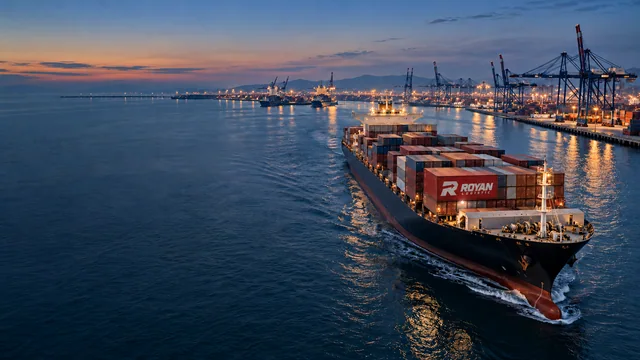
The Caspian connects Iran and Russia directly by water. General cargo, containers, bulk and reefer containers can move from the Iranian ports of Anzali, Amirabad and Astara to Astrakhan, Olya and Makhachkala. With no land borders on the way, it suits heavy and bulky cargo and imports from Russia such as grain and timber. It depends on sailing schedules and space; the Volga delta channel to Astrakhan and Olya can be affected by ice in winter, when Makhachkala is the usual alternative. We connect the port legs through our sea freight planning.
Rail: the eastern INSTC branch and the Rasht–Astara link
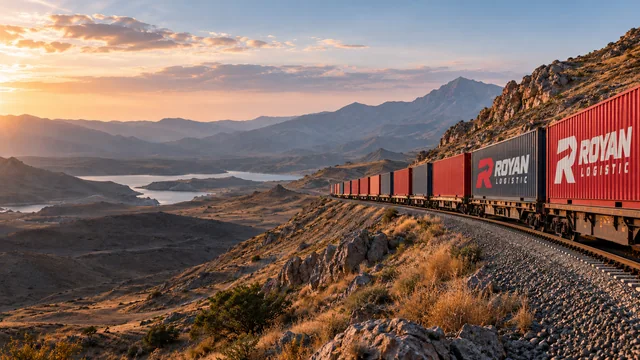
The main rail option is the eastern INSTC branch: from the Iranian network via the Incheh Borun border station into Turkmenistan, then Kazakhstan and Russia. Iran uses standard gauge (1435 mm) and Turkmenistan, Kazakhstan and Russia broad gauge (1520 mm), so bogie exchange or transshipment is needed at the border. On the western branch, Azerbaijan's railway runs from Astara via Baku to Russia; on the Iranian side the Rasht–Astara rail link is under construction, and until it opens the Rasht–Astara leg is covered by road. More on our rail freight page.
Refrigerated transport from Iran to Russia
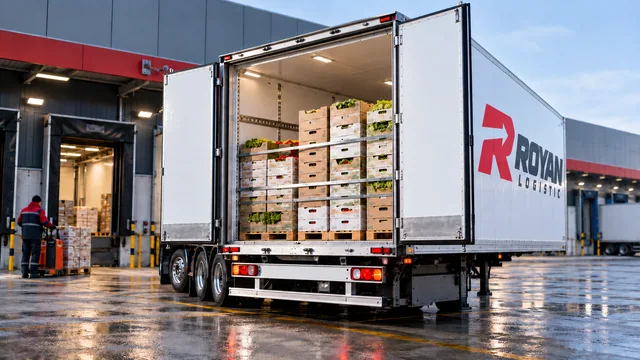
Russia is an important market for Iranian fresh fruit and vegetables. Citrus, kiwi, apples, pomegranates, tomatoes and other vegetables move to wholesale markets and retail distribution centres in Moscow and other large cities, mainly from autumn to spring, by reefer truck via Astara or by reefer container across the Caspian. Pre-cooling, the correct set point, air circulation between pallets, temperature recording and short door-opening times at borders are the critical points; products with different temperature needs should not share a trailer. Demand for reefer trucks rises in season, so sharing your weekly loading plan early helps. See our reefer transport guide and our refrigerated transport service.
Cargo in both directions
- Fresh produce: citrus, kiwi, apples, pomegranates and vegetables by reefer.
- Dried fruit and nuts: pistachios, raisins, dates and similar products.
- Building materials: cement, ceramics, tiles and natural stone, by truck or Caspian vessel depending on weight.
- Polymers and petrochemicals: bagged granules and similar cargo; ADR-compliant vehicles and drivers for dangerous goods.
- From Russia to Iran: grain and oilseeds, timber, metal products, machinery and spare parts.
Two-way flows create return-load opportunities, which we take into account when it fits.
Transit time and seasonality
Tehran–Moscow by road via Azerbaijan is usually planned at about 8–12 days: roughly 1 day for loading and export clearance, 1–2 days to and across Astara, 1–3 days through Azerbaijan and Samur, and 5–6 days on Russian roads, destination customs and delivery. St Petersburg, Kazan or Yekaterinburg add further days. In winter, ice in the northern Caspian and closures on Caucasus mountain passes are possible, and border queues grow in the produce season, so all times are approximate and updated for the shipping date.
Destinations and distribution in Russia
Much of the cargo goes to warehouses, wholesale markets and distribution centres around Moscow. Volga cities such as Astrakhan, Volgograd, Samara and Kazan are close to the Caspian ports and pair naturally with the sea link; Dagestan, Krasnodar and Rostov are a short run after Samur. For multi-drop loads we plan the unloading order, dock appointments and receiving hours from the start.
How to reduce border waiting
Most delays come from incomplete or inconsistent documents, queues in busy periods and physical inspections. Cross-checking documents with the consignee's customs representative before loading, making quantities, weights and pallet counts match the invoice and packing list, and planning driver rest before the border all shorten the wait.
Full truckload (FTL) on Iranian-plated trucks
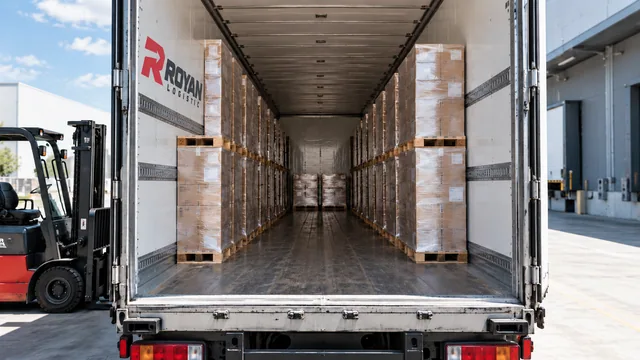
Royan Logistic carries imports to Russia and exports from Russia on Iranian-plated trucks. This route runs as full truckload (FTL) only; there is no groupage. A standard curtainsider takes about 33 euro pallets and up to 24 tonnes. See also what full truckload (FTL) means.
Documents checklist
- Commercial invoice and packing list
- CMR consignment note and TIR carnet for road transit; bill of lading by sea, rail consignment note by rail
- Certificate of origin
- Export customs declaration
- Phytosanitary certificate for fresh produce; veterinary certificate for animal products
- Product conformity and quality certificates depending on the product group (Eurasian Economic Union technical regulations may apply)
Requirements vary by product and are confirmed against current regulations. More in CMR and TIR carnet.
Customs, border crossing and payments
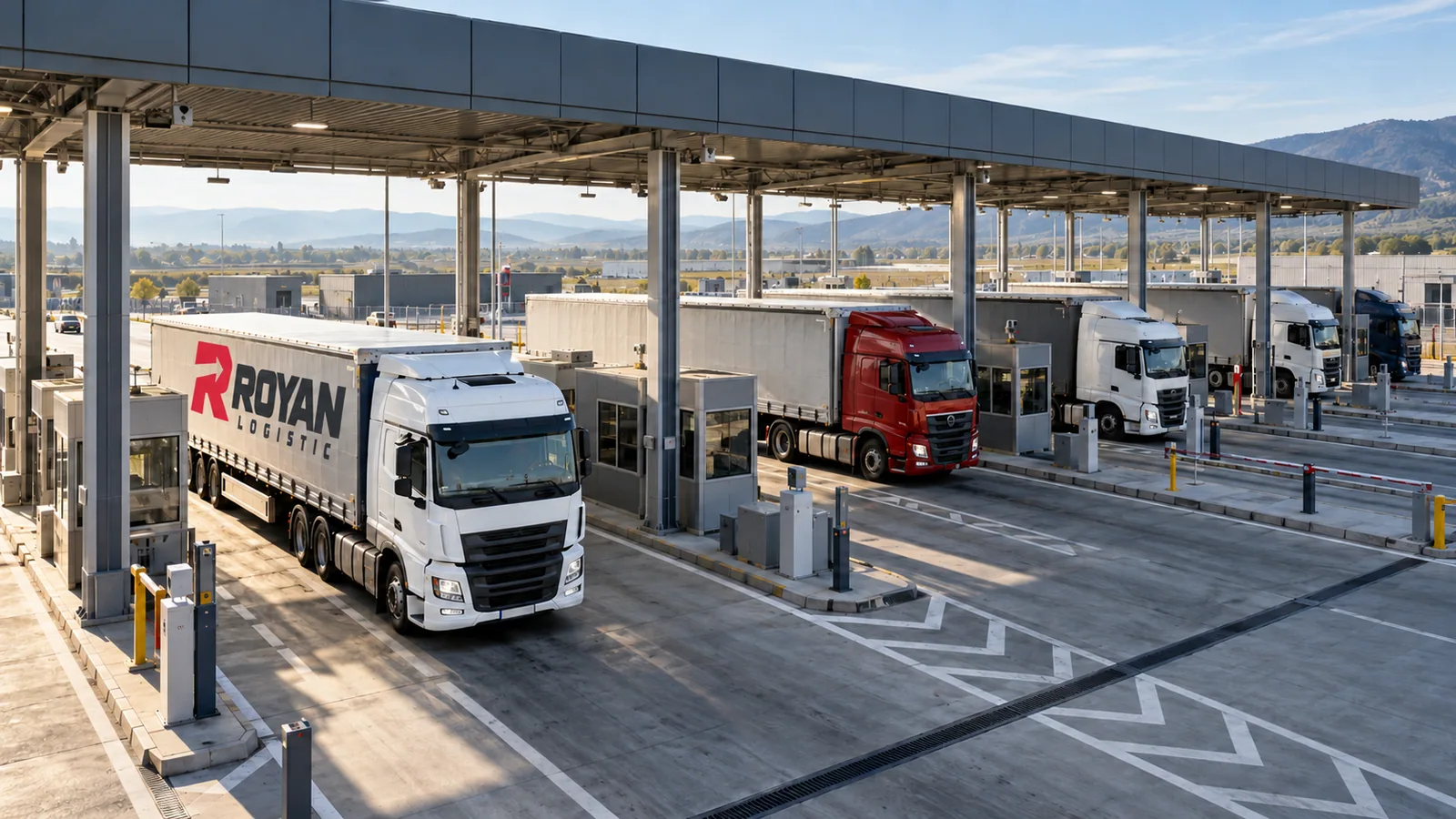
On the Iranian side the export declaration is lodged with the Iran Customs Administration (IRICA) through a customs broker, and the truck travels under a TIR carnet. Azerbaijan, or Armenia and Georgia, are crossed in transit; on entry into Russia documents are checked and the cargo moves to the inland customs office at destination, where the consignee's customs representative completes import clearance. We recommend checking HS codes and certificate expectations with that representative before loading.
Payment and documentation requirements are reviewed per shipment. Checking that the goods, the buyer and the payment structure comply with current rules is the responsibility of the trading parties and should be settled before shipment; we build the route and transport plan accordingly.
What affects the price
We do not publish fixed rates; each quote reflects vehicle, container or wagon type, route and transit costs, whether a Caspian vessel or rail is used, fuel prices and exchange rates, season, border and port waiting times, unloading conditions and return-load options.
Process: from request to delivery
- Listen: cargo, addresses, dates and special handling needs.
- Plan: route (Azerbaijan, Armenia–Georgia, Caspian or rail), vehicle type and loading day, with a reasoned quote.
- Act: loading, document checks and export formalities.
- Track: exit from Iran, transit crossings, entry into Russia and delivery dates in the tracking link.
- Close together: CMR, invoice, packing list and photos kept in one shipment folder.
Why Royan Logistic
- Planning-first approach: route, season and border conditions are reviewed before the cargo leaves.
- Multimodal view: road, Caspian sea link and rail compared side by side.
- Communication in Persian, English, Russian, Turkish and Chinese, including WhatsApp.
- Tracking link for every shipment and all documents kept in one folder.
See also our international road freight page.
Information needed for a quote
Loading and delivery addresses, cargo type, packaging, piece or pallet count, dimensions, total weight, target shipping date and any special handling such as temperature. You receive a tracking code when you submit the request form; you can also write to us by WhatsApp or email.
Frequently asked questions
How long does freight from Iran to Russia take?
By road via Azerbaijan, Tehran to Moscow is typically planned at about 8–12 days. On the Caspian, the sea leg port to port takes about 2–4 days, plus port handling and the Russian road leg. Border congestion, winter weather and destination customs can change this.
Which border crossings do trucks use from Iran to Russia?
The most common route is Astara into Azerbaijan and then Samur–Yarag-Kazmalyar into Dagestan. An alternative runs via Norduz–Agarak through Armenia and Georgia to Upper Lars. The route is confirmed during planning based on conditions on the shipping date.
Is the Caspian sea link or road better?
Road is more flexible for urgent and temperature-sensitive cargo. For heavy, bulky and regular cargo, sailings from Anzali, Amirabad or Astara to Astrakhan, Olya or Makhachkala avoid land border queues. We choose together based on your cargo and schedule.
Can I ship a small lot to Russia?
Not as groupage: our Russia route runs as full truckload (FTL) on Iranian-plated trucks only. If your cargo does not fill a truck, share the details and we will review the options with you.
How are payment and documentation handled?
Payment and documentation requirements are reviewed per shipment. Compliance of the goods, buyer and payment structure with current rules is the responsibility of the trading parties and should be settled before shipment.
Can you ship to Russia in winter?
Yes. Ice in the Volga delta can affect sailings to Astrakhan and Olya, and Upper Lars and the Armenian mountain roads may close temporarily. In winter we favour the road via Azerbaijan or the port of Makhachkala and add a waiting buffer.